
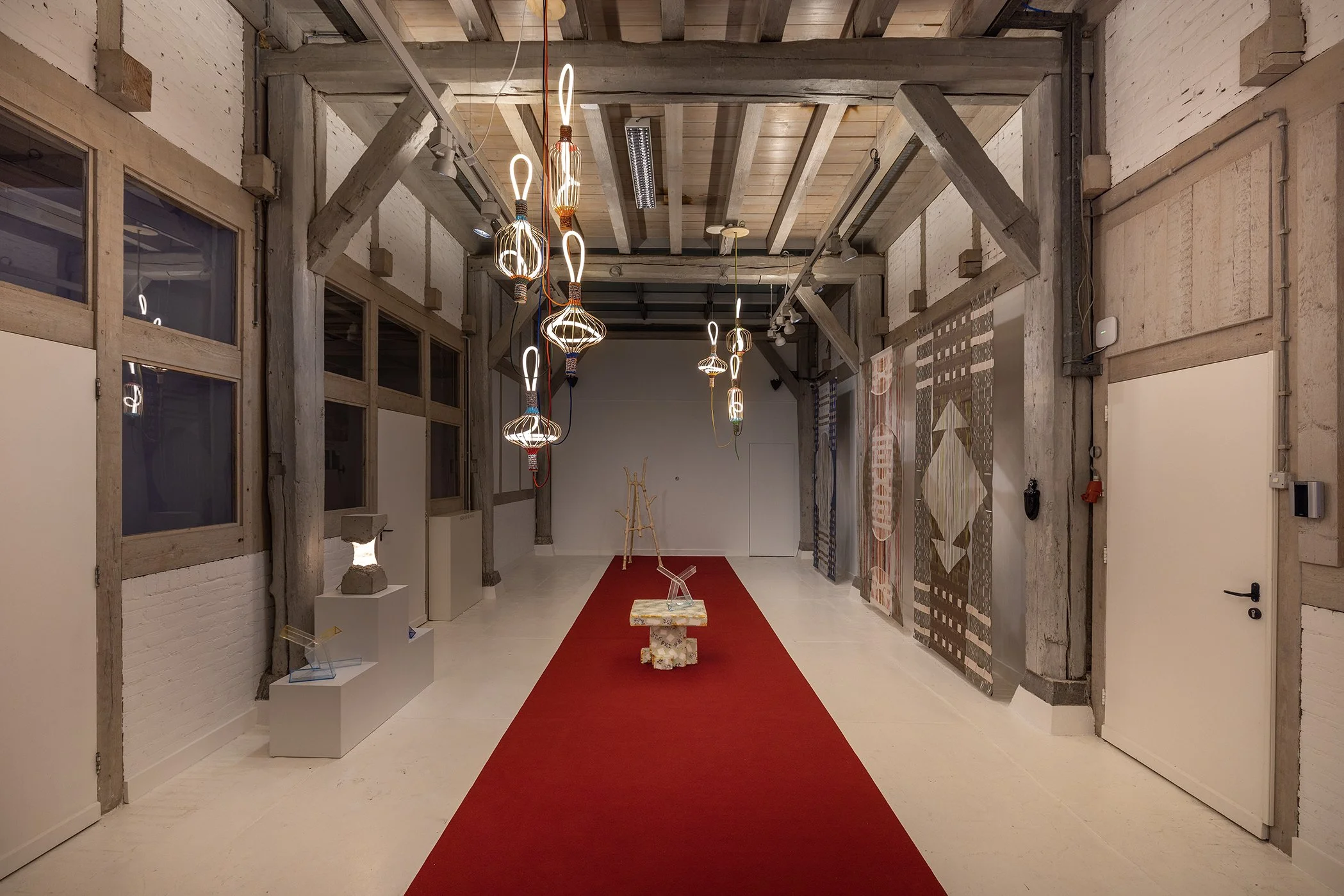
Priveekollektie Gallery, 2021
Have you ever wondered how someone turns the dream of starting their own gallery into a reality? We spoke to two gallerists from the VOLTA community and asked just that.
From the personal motivations behind the projects, to learning to adapt within the art market, and understanding that at the heart of a successful gallery are the relationships that sustain it, read on to find out more.
Maureen McDonald, Stone Step Gallery, Dublin, Ireland
What inspired you to start a gallery?
There was a void in the Irish gallery scene for talented contemporary artists, most of whom were just beginning their careers and finding it difficult to break that glass ceiling and gain representation from long-established galleries.
Stone Step was born from a vision to provide access to contemporary artists and offer a platform for international exchange with like-minded galleries abroad, connecting artists with opportunities to gain international exposure. It was an idea I had for many years and having recently sold my business I was in a position to realise this vision.
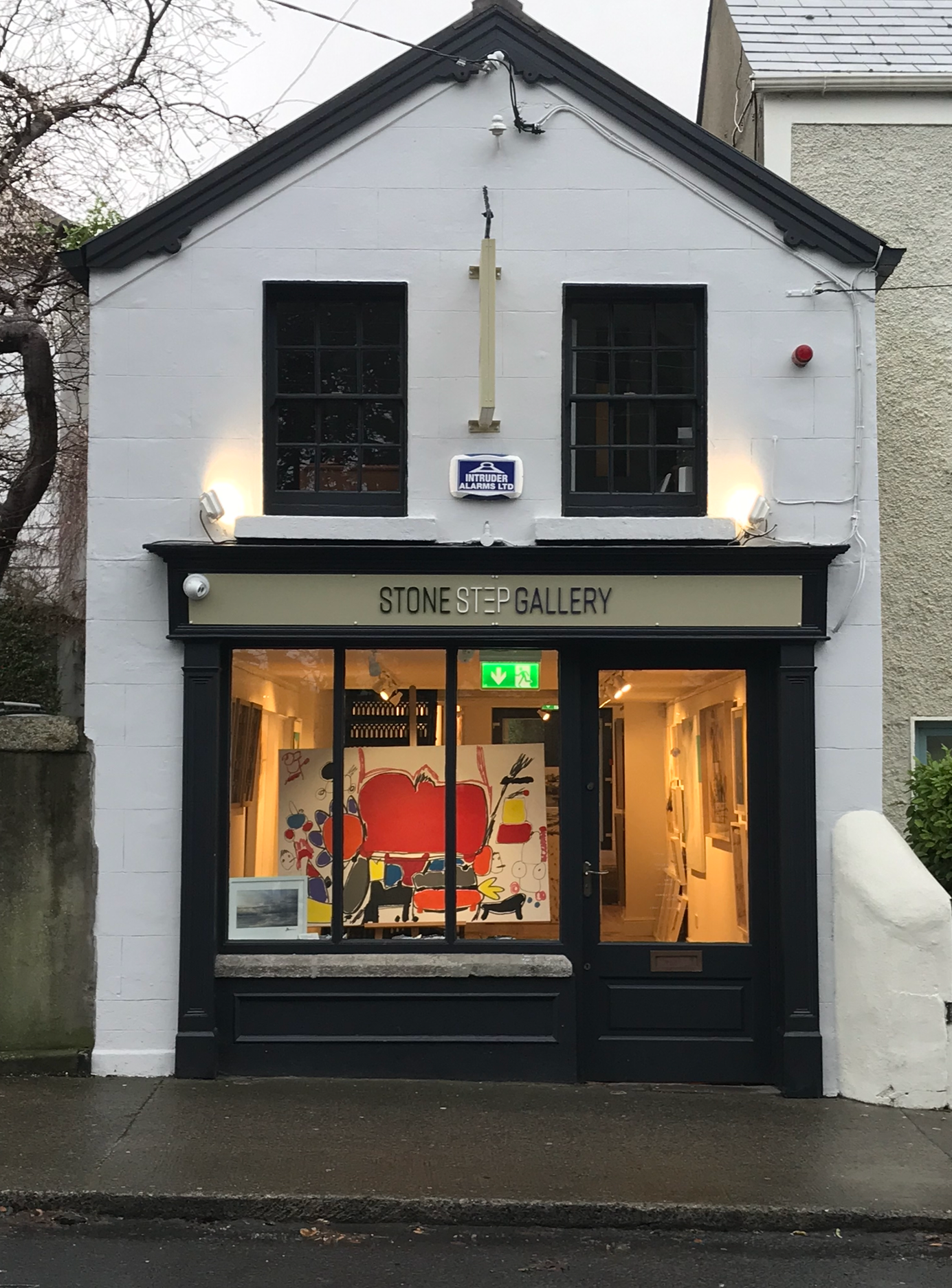
Stone Step Gallery
Once you had the idea for the gallery, how did you make it happen?
By chance while walking in a small coastal village on the outskirts of the city, I saw a property that just screamed gallery to me - and it had just come on the market. Stone Step became a reality just like that.
I employed a company to help me put a shape on the brand, logo’s, website, etc. Then I reached out to a friend and gallery owner in Spain who was an enormous help. He joined me in sharing a booth at an Art Fair in Dublin, lent me one or two of his artists who had large international careers and with my own small stable of artists Stone Step was born.
Everything was moving along nicely, when covid struck. At this point I reconsidered my position as a gallerist, questioning how I might still be effective in promoting Irish artists abroad. The only real option to me at this time was to become an art agent. Now, I keep a small group of artists I represented during the bricks and mortar version of Stone Step and continue to work on their international and home careers.
What advice would you give someone looking to set up their own gallery?
If I could offer advice to anyone considering opening a gallery, the most important people are the artists you represent. Respect them and their process and build a relationship of trust between you. They will become an important part of your life and you in turn theirs.
What inspired you to start a gallery?
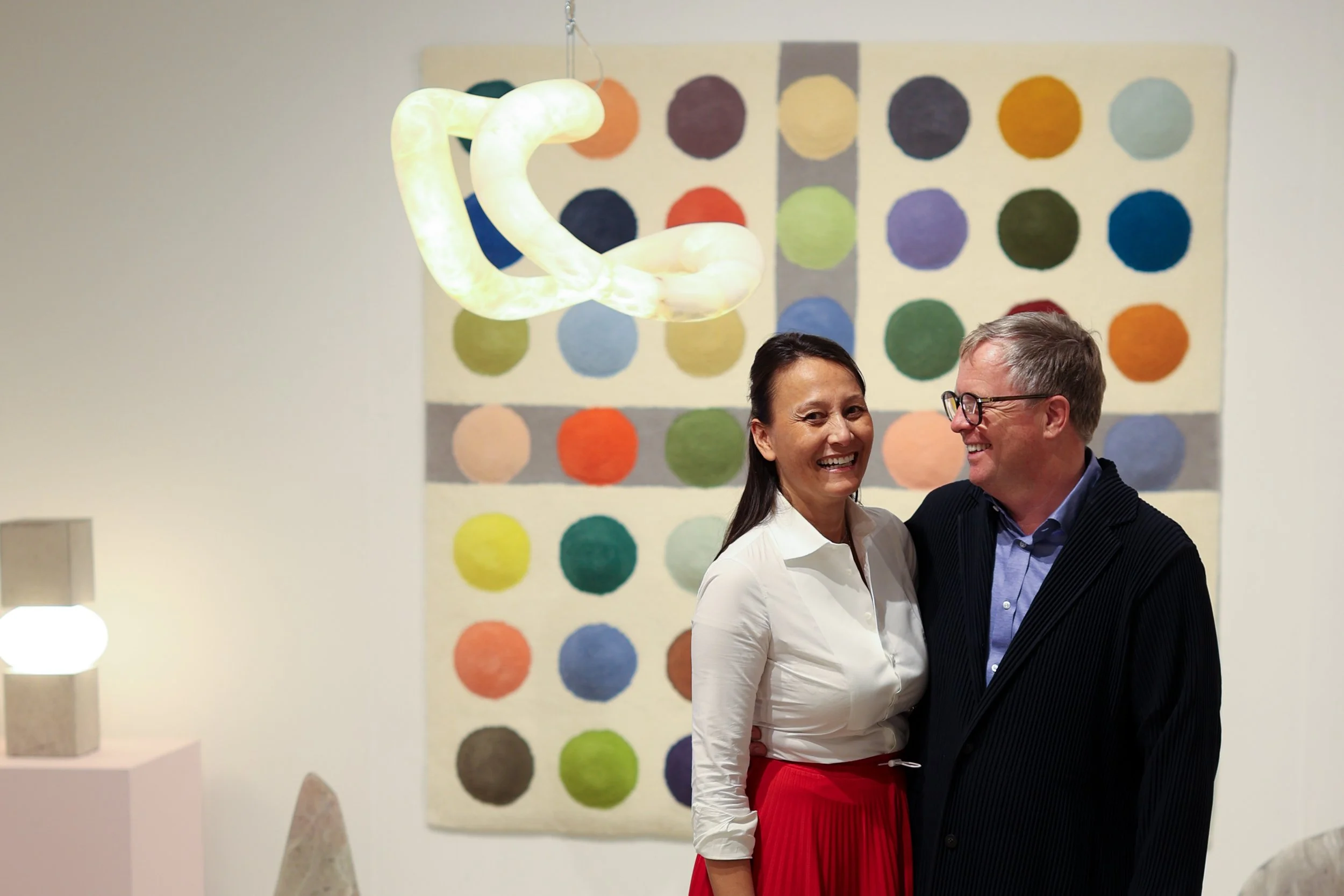
We both came from different professional backgrounds but shared a deep love for art, design, and collecting. For Miriam, this passion began in childhood with museum visits with her parents, from playing in Kröller-Müller’s garden among Jean Dubuffet’s Jardin d’Email to being inspired by the Rijksmuseum’s collection. Whimsical moments of wonder that truly shaped her.
Starting Priveekollektie in 2006 was therefore deeply personal. Shortly after our daughter’s birth, Miriam set out to create something of her own. Our home, with a 175 sqm ground-floor space in the former European Ceramic Work Centre (EKWC) in Heusden, offered the perfect setting. Located in an old fortress town in the province of Brabant, with a rich cultural context comparable to institutions such as the Textiel Museum, the space carried both history and creative energy. We transformed it into a gallery on the 11th of June 2006.
What do you hope to achieve through Priveekollektie Contemporary Art|Design?
The gallery’s name, which translates to “private collection,” reflects its mission to aid and advise collectors in building personal and meaningful collections of contemporary art and collectible design. Priveekollektie cultivates genuine, private connections with collectors, whether it’s a 20-year-old spending her first salary on a painting that moves her, or seasoned collectors discovering works that inspire them.
Priveekollektie believes art needs to beautify; it’s about technique, quality, concept, and the power to uplift, open minds, and influence decision-makers. Beyond decoration, it sparks emotion. It’s both a reflection of what makes us human and something that makes us feel human.
Once you had the idea for the gallery, how did you make it happen?
Quite literally, the gallery began by putting a nail in the wall. Twenty years, 150 exhibitions, and numerous international art fairs later, we’re celebrating the anniversary with the 2.0 Exhibition
Works on paper, ceramics, paintings, collectible design, a multidisciplinary mix derived from their private collection that still defines the gallery today. Having had backgrounds in fashion, advertising and finance, we curate from a collector’s perspective, guided by personal taste and world travel. Also having the space (or home in the former European Ceramic Work Centre in Heusden), along with strong organisational and entrepreneurial skills. Priveekollektie was born from a life’s experience to connect with artists and collectors. Momentum built so quickly that Irving left his finance career, and together we began investing time, resources, and energy into international art fairs.